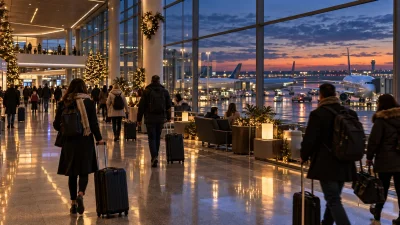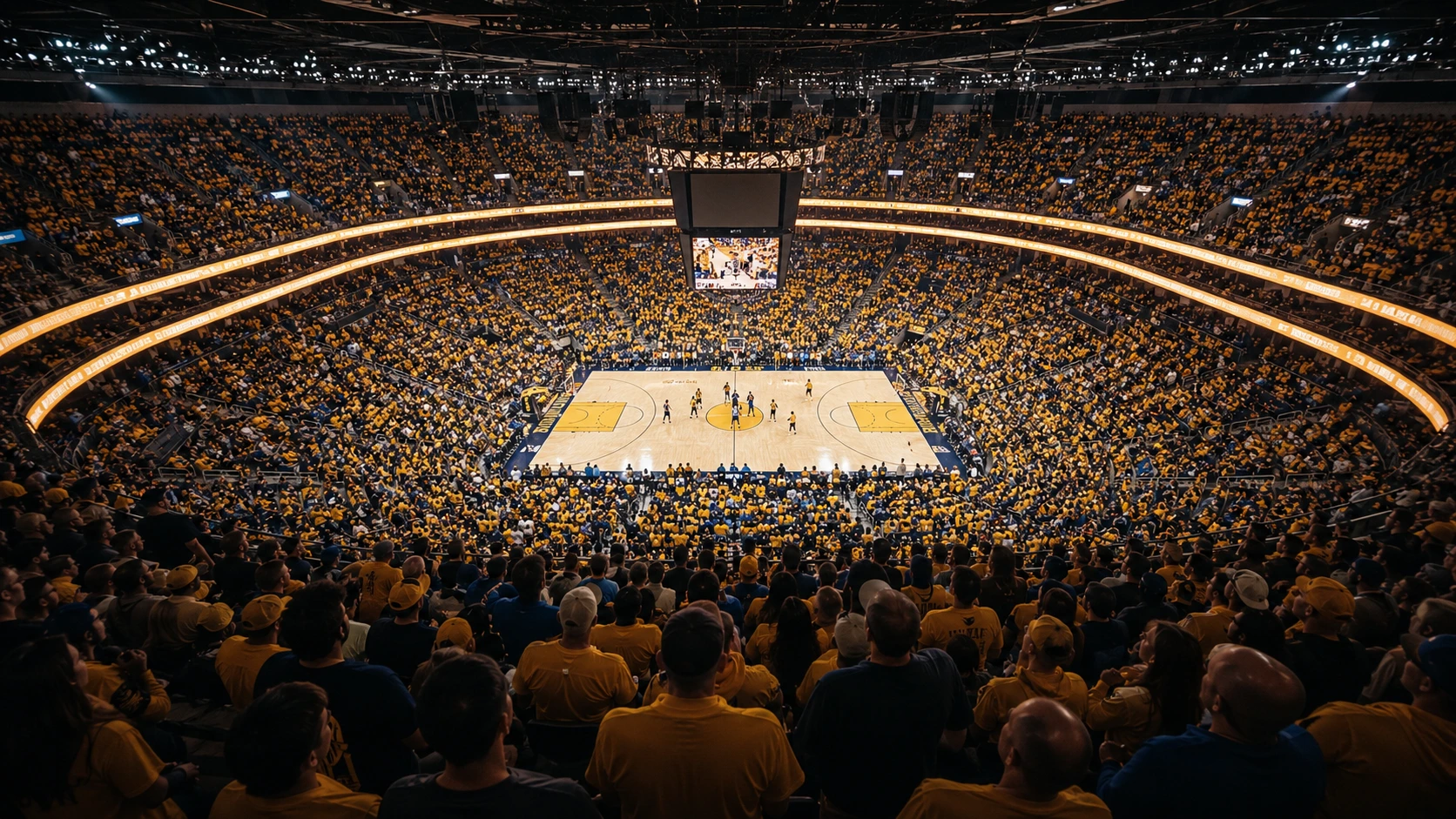
Somewhere over Texas this week, a plane full of New Yorkers in blue and orange is doing the math and smiling. The 2026 NBA Finals between the New York Knicks and the San Antonio Spurs have produced one of the strangest travel stories in recent sports memory: it is now cheaper for a Knicks fan to fly to San Antonio, book a hotel, and watch the game in person than it is to buy a single nosebleed seat at Madison Square Garden. That is not a hypothetical. According to ticket marketplace TickPick, roughly 30 percent of Game 2 purchases in San Antonio came from New York zip codes, and the trend is accelerating with every dwindling seat at MSG.
If you are tempted to join the migration, whether it is the Knicks-Spurs Finals, the Carolina-Vegas Stanley Cup Final, or a midsummer baseball road trip, the short answer is this: playoff travel is absolutely doable on a sane budget, but only if you understand how championship-city airfare actually behaves and when to pull the trigger. Here is the playbook.
When a city earns a Finals or Cup berth, two things happen almost instantly. Hotel inventory tightens, and last-minute flights into that market spike as airlines recognize that demand has become inelastic. People who decide on Tuesday that they simply must be there on Saturday are not price-shopping the way a vacationer would, and carriers price accordingly.
We have seen this pattern at every recent marquee event. Ahead of the most recent Super Bowl, major carriers added dozens of extra flights into the host city while first-class fares on those routes climbed past 4,000 dollars, then collapsed by roughly half for dates after the game. The lesson is consistent: the airfare surge is concentrated tightly around the event window. Fly in a day early or stay a day late, and you frequently sidestep the worst of it.
The counterintuitive twist in 2026 is that the surge is not symmetrical. In San Antonio, a young Spurs team making its first deep playoff run in years has a softer local secondary market, so round-trip airfare plus a hotel plus a ticket can still beat the cost of one seat in New York. The CNN business desk ran the numbers on air and found a fan could fly round trip for around 700 dollars, stay a few nights for roughly 600 dollars, and attend a Finals game while still coming out ahead of the nearly 4,000 dollars commanded for a single MSG seat. When the destination is the less established market, the road trip is the value play.
The single biggest mistake fans make is waiting for prices to drop out of optimism. They almost never do for the marquee dates. The smarter approach is to treat your booking like a trade: set fare alerts the moment your team clinches, watch the route for two or three days, and move decisively when you see a fare that clears your threshold.
Travel advisors who handle these last-minute championship runs offer one piece of guidance that fans routinely ignore: a connecting itinerary is often dramatically cheaper than a nonstop on a sold-out route. If your team plays Saturday and you can tolerate one stop, you may save several hundred dollars per ticket. The same applies to alternate airports. For a Knicks fan heading to San Antonio, checking nearby Austin can open up both cheaper fares and more seat availability, with a manageable drive on the far end. Flexibility on routing is where the real savings live.
One more practical note on cost. Some of your fare may quietly reflect fuel surcharges, a line item that is becoming more common as carriers absorb the rising cost of cleaner fuel, a shift we covered in depth in our feature on why sustainable aviation fuel is the industry's biggest bet. It rarely changes the decision, but it is worth understanding what you are actually paying for.
Here is a secret that frequent flyers know and casual travelers miss: on short-notice routes where coach has already sold out or spiked, the premium cabin can be a surprisingly rational buy. When the cheapest economy seat on a sold-out playoff route is already inflated, the gap to first or business shrinks, and occasionally inverts. You are not always paying a luxury premium so much as paying for the only good seat left, with the lounge access, priority boarding, and rebooking protection that come with it.
That rebooking protection matters more than usual during a postseason scramble. If your outbound flight is cancelled the morning of Game 3, your odds of getting rebooked in time are meaningfully better in a premium fare class. For a once-in-a-generation game, the insurance value alone can justify the upgrade. Which carrier you choose also matters here, since reliability varies far more than most travelers assume; our breakdown of the most reliable airlines for summer 2026 is worth a look before you commit to a fare.
Getting to the city is half the battle. The other half is the last mile, and this is where good planning separates a smooth night from a stressful one. The good news for this year's Finals is that airport amenities and arena access in San Antonio are genuinely traveler-friendly. San Antonio International sits roughly 10 to 13 miles from the Frost Bank Center, a drive of about 15 minutes outside of game-day traffic, with a dedicated rideshare area at the arena. That is one of the easier airport-to-arena runs in American sports.
For the Stanley Cup Final, Vegas may be the most frictionless sports travel destination in the country. Harry Reid International is minutes from the Strip and the arena district, which means you can land, drop your bag, and be in your seat with time to spare. The trade-off is that Vegas hotel and airfare demand runs hot regardless of the hockey, so the timing discipline above matters even more there.
Wherever you land, build in a buffer. Game-day surge pricing on rideshares near an arena is real, and a sold-out building empties 19,000 people onto the same streets at once. Arriving early, scouting your exit route, and knowing where the rideshare lot actually sits will save you the postgame scramble that ruins an otherwise perfect night.
The fans who come home happiest are the ones who treat a championship weekend as a trip rather than an errand. San Antonio's River Walk, the food scene, and the Alamo are all within reach of the arena district. Las Vegas needs no introduction. Even a baseball road trip built around an interleague weekend becomes a genuine getaway when you give yourself a full day on either side of first pitch.
A few wellness habits keep the experience sharp. Cabin air is dehydrating, and a long travel day followed by a late, loud, high-energy game is a recipe for feeling wrecked the next morning, so steady hydration before and during the flight genuinely pays off, a point our partners at H2Goals make in their travel-recovery coverage. And if you are turning the trip into an active getaway with a partner, the Finals-weekend road trip pairs beautifully with the kind of shared-adventure thinking we love over at Athletic Dating.
The 2026 postseason has rewritten the assumption that attending a Finals or a Cup game in person is purely a billionaire's game. The smartest fans are reading the market, exploiting the gap between hot and soft ticket cities, timing their bookings like investors, and choosing reliable carriers and well-located airports to win the last mile. Do that, and you can stand inside one of the loudest buildings in sports, watch history happen live, and still fly home without the financial hangover. The plane full of smiling New Yorkers over Texas figured it out. Now so have you.