LeBron James is heading to Philadelphia. The 41-year-old signed a two-year deal with the 76ers on Friday, joining Joel Embiid, Jaylen Brown, and Tyrese Maxey on a roster that instantly reshapes the Eastern Conference. For the sports pages, that is the whole story. For anyone who studies travel demand for a living, it is the second half of a story that had already been building for months, and it lands on a city whose Philadelphia International Airport was not exactly looking for more work to do.
PHL is projecting roughly 9.4 million passengers this summer alone, a 6.3 percent jump over last year, driven by the FIFA World Cup, the MLB All-Star Game, and the country's 250th anniversary celebrations all converging on the same northeastern corridor in the same season. The airport has already opened a new visitor center in Terminal A-West and expanded staffing to handle it. A genuine championship contender forming in the same city, on a slower, season-long timeline rather than a single summer, changes the math again, just on a different clock.
What a Title Chase Actually Does to a City's Numbers
The precedent is not speculative. During the Oklahoma City Thunder's 2025 run to the NBA Finals, hotel search volume in the city climbed 45 percent above its 22-month average, according to travel-industry data, peaking the day the Thunder clinched their conference berth. Indianapolis, the Thunder's opponent that year, saw its own hotel searches rise 29 percent to a two-year high. When Denver hosted its 2023 championship run, economists pegged the direct local economic impact at roughly 25 million dollars, a figure that explicitly excluded ticket sales and team merchandise. Playoff travel surge patterns like these are not a rounding error for a regional airport. They are a second, unplanned peak season stacked on top of whatever else the calendar already has scheduled.
Ticket pricing tends to move in step. Games during a deep playoff run routinely price around 200 percent above their regular-season equivalents, which pulls a different kind of traveler into the market: the fan who was never going to fly in for a February game against a lottery team but will absolutely book a flight for a conference finals weekend. That traveler tends to decide fast and book late, which is exactly the pattern that strains fare availability and airport capacity on short notice.
Booking Early Versus Booking Blind
The World Cup and the All-Star Game operate on fixed calendars set a year or more in advance, which lets travelers lock in flexible airfare well ahead of time. An NBA title chase does not work that way. Playoff rounds are best-of-seven, series length is unknown until it happens, and home dates are released on a rolling basis as each round is confirmed. That is a fundamentally different booking problem, and it rewards a different strategy. Travelers who wait for a schedule to be finalized before shopping fares are competing with everyone else doing the same thing at the same moment, right as prices are least favorable. The better play, if Philadelphia is trending toward a long spring, is watching schedule-release dates closely and holding a flexible or refundable fare rather than a locked-in one.
A Terminal Already Running Warm
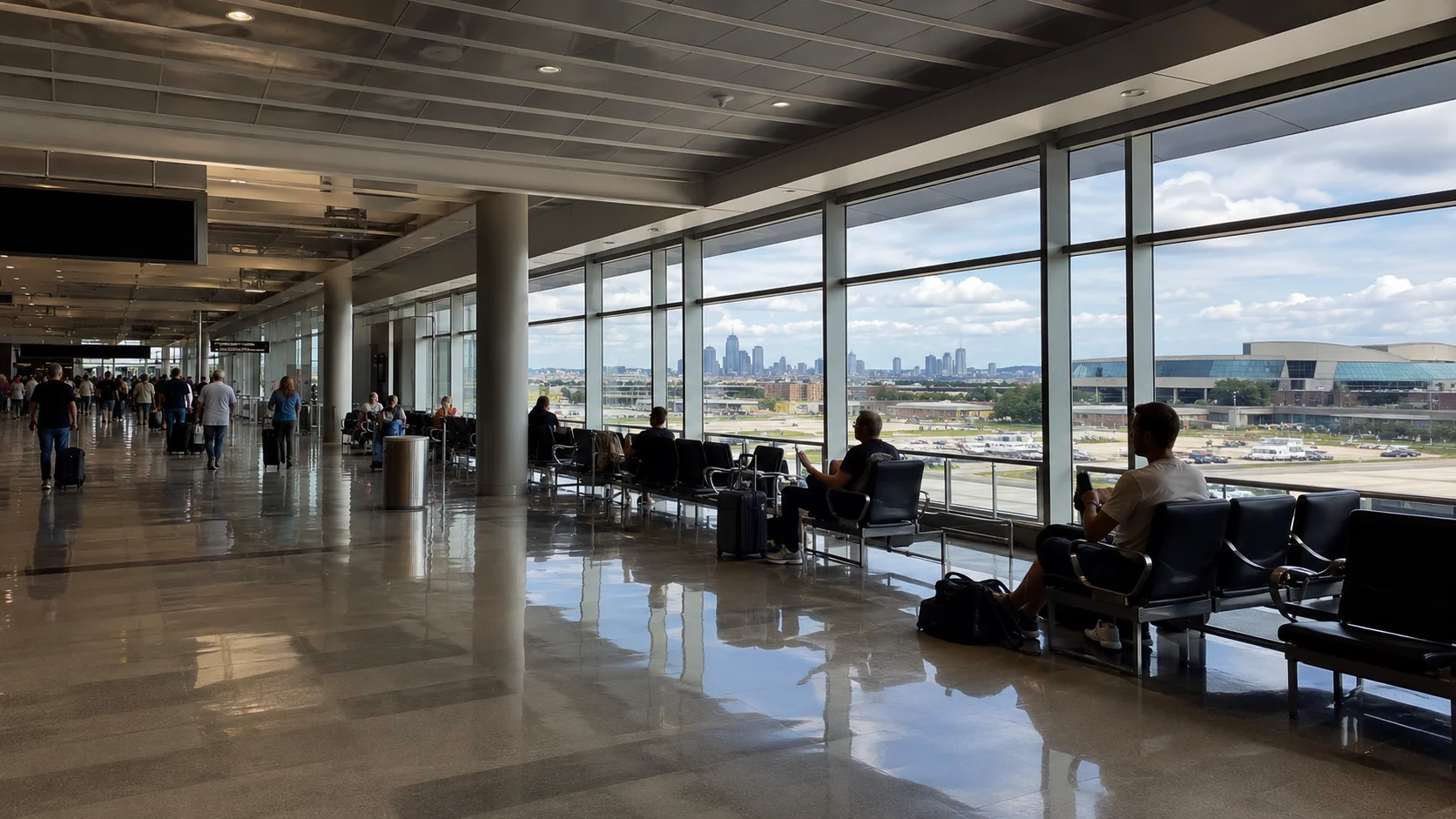
None of this arrives at a quiet moment for PHL. The airport has already dealt with TSA delays tied to terminal closures and rising passenger volume earlier this year, and its interim chief executive has publicly called the summer of 2026 one of the most anticipated travel seasons in the airport's history. Terminal congestion during an already-record summer is one thing. Layering a spring 2027 playoff run, with its unpredictable, short-notice travel spikes, onto an airport that has spent the year managing record volume is a different operational question entirely, and one worth watching well before the postseason ever arrives.
The Business Travel Angle Nobody Prices In
Season-ticket and suite holders already generate a steady stream of corporate travel demand around Philadelphia's arenas, from sponsor entertaining to executive hospitality tied to games. A team that suddenly becomes a title contender multiplies that math, since playoff games draw the kind of corporate attention that regular-season games rarely do. NBA free agency moves like this one tend to be read purely as basketball news, but for anyone booking business travel into Philadelphia over the next year, a suddenly relevant 76ers team is one more variable worth building into the calendar, right alongside the World Cup and All-Star crowds already on the books.
The Bottom Line for Travelers
Philadelphia was already staring down one of the heaviest travel years in its history before LeBron James signed anything. Now the city has a basketball team worth watching deep into next spring, and airport capacity that was built around a known, fixed set of 2026 events will have to absorb an unknown, dynamic one arriving on top of it. For travelers with any interest in being in Philadelphia for a potential playoff run, the smart move is the same one that applies to any surge market: book flexible, watch the schedule closely, and do not wait for certainty, because by the time the schedule is certain, so is the price increase.