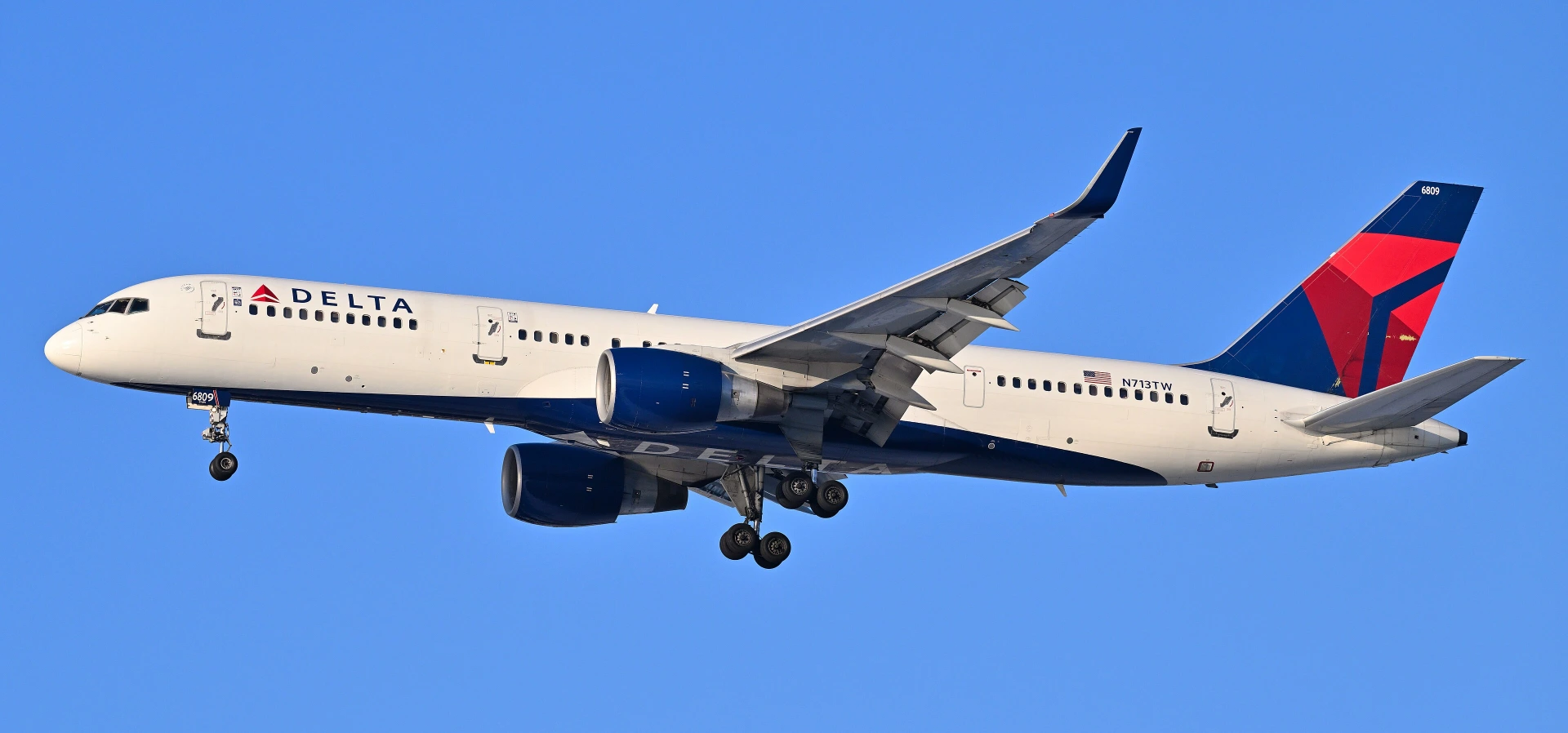
The Boeing 757-200 has been a prominent figure in commercial aviation since its introduction in the early 1980s. Known for its unique blend of efficiency, range, and passenger comfort, the 757-200 continues to be a favored aircraft among airlines worldwide. Whether you are a frequent flyer, a tourist, or an aviation enthusiast, understanding the nuances of this aircraft can greatly enhance your travel experience. This article delves into the Boeing 757-200’s design, amenities, operational considerations, and why it holds a special place in the aviation industry.
Description
The Boeing 757-200 is a narrow-body twin-engine jet airliner developed by Boeing Commercial Airplanes. With a production run that began in 1981 and ended in 2004, the 757-200 has been extensively used for both short-haul and transcontinental flights. The aircraft typically seats between 200 and 239 passengers, depending on the configuration chosen by the airline, making it ideal for medium-density routes.
One of the distinguishing features of the 757-200 is its distinctive elongated fuselage and high-efficiency Pratt & Whitney or Rolls-Royce engines. The aircraft spans a length of 47.3 meters (155 feet) and features a wingspan of 38 meters (124 feet). This design allows it to deliver excellent fuel economy for its class, providing airlines with operational flexibility and range of approximately 3,900 nautical miles (7,222 km).
The cockpit layout pioneered glass cockpit technology at the time, incorporating electronic flight instrument systems (EFIS) and advanced avionics, which improved flight safety and operational efficiency. From a passenger’s perspective, the cabin offers a comfortable 3-3 seating arrangement in economy class, abundant overhead bin space, and larger windows compared to older narrow-body jets.
Independent publishers and magazine editors specializing in travel often detail the 757-200 in their content due to its significant role in connecting major cities and tourist destinations globally. Its versatility is showcased in various roles—including cargo, though the 200 series is primarily a passenger variant—making it a popular subject in both commercial and aerospace industry publications.
Amenities and Perks
The Boeing 757-200 is recognized for offering several passenger-friendly amenities that make flying more enjoyable. Most airlines configure the aircraft to optimize legroom and comfort, especially on longer routes. Business and first-class cabins on select airlines feature lie-flat seats, enhanced entertainment systems, and premium meal services. In economy class, passengers benefit from ergonomic seating with adjustable headrests and personal entertainment screens on many newer retrofits.
Overhead bins on the 757-200 are relatively spacious, accommodating larger carry-on luggage than some competing narrow-body aircraft, which is a practical advantage for travelers who prefer to travel light or carry essential items onboard. Additionally, high cabin pressure and humidity controls—better than older aircraft of similar size—reduce passenger fatigue during longer flights.
Onboard Wi-Fi has become increasingly common in 757-200 aircraft, especially on transcontinental and international routes. This allows passengers to stay connected for work or leisure purposes—a feature highly valued by business travelers and frequent flyers. Independent publications targeting travelers often highlight these amenities, offering reviews that assist consumers in selecting flights that provide the best in-flight experience.
Furthermore, the aircraft often features modern LED lighting systems that help reduce jet lag by adjusting cabin light colors according to the time of day. These subtle improvements combine to deliver a comfortable and efficient flying experience for all types of passengers.
Known Issues
Despite its widespread acclaim, the Boeing 757-200 is not without its challenges. One notable issue is related to its age; many 757s have been in operation for 20 to 40 years, leading to increased maintenance and potential reliability concerns compared to newer aircraft. Independent aviation maintenance reports often note that some older models require more frequent inspections to ensure safety compliance.
Another consideration is the aircraft's noise footprint. While compliant with current noise regulations, the 757-200 can be louder during takeoff and landing compared to newer, more advanced aircraft, which is sometimes a concern at noise-sensitive airports. This has resulted in some operators facing curfews or operational restrictions, primarily in urban airports.
Space limitations also exist for passengers and crews on longer flights, especially compared to larger wide-body aircraft. While the single-aisle design allows operational efficiency, it can mean less spacious cabins, particularly in high-density seating configurations that some low-cost carriers utilize.
Furthermore, the 757-200’s cockpit and systems, although advanced for their era, lack some of the latest avionics and automation features seen in next-generation aircraft like the Boeing 737 MAX series or Airbus A321XLR. This occasionally impacts pilot workload and fuel efficiency in marginal ways, a factor that has been noted in various independent aviation analysis publications.
Life Span
The Boeing 757-200 boasts a robust design life with many aircraft still flying decades after their initial production. The typical structural life is rated for approximately 75,000 flight cycles (a takeoff and landing count), which usually translates into 20 to 30 years of service depending on utilization. Airlines often extend this life span through comprehensive maintenance programs and occasional refurbishments.
Despite production ending in 2004, many airlines continue to operate the 757-200 due to its performance and economic characteristics. Some carriers are also upgrading avionics and cabin interiors to keep the fleet competitive and compliant with modern standards.
However, the flow of new aircraft deliveries has shifted towards more fuel-efficient and environmentally friendly models. The Boeing 737 MAX and Airbus A321XLR, for instance, offer better fuel burn and emissions profiles, pressuring the 757 fleet to either phase out or adapt. Independent analysts frequently discuss this transition in aviation magazines and consumer travel publications.
Interestingly, the 757-200’s unique ability to operate on short runways and serve niche long-range routes has ensured it maintains relevance in certain markets. Regional carriers, charter services, and cargo conversions extend the operational life of the airframe beyond typical commercial passenger service.
Why It's Loved and/or Hated
The Boeing 757-200 is both beloved and criticized within the aviation community and among passengers, depending on perspective. Frequent flyers often praise its reliability and comfortable cabin environment, especially compared to older aircraft types. The 757 is known for its smooth ride, capable turbochargers, and relatively quiet engines in cruise—making flights less stressful for many travelers.
Tourists heading to destinations not serviced by wide-body jets appreciate the 757’s ability to connect city pairs directly, eliminating the need for multiple connections. This direct connectivity enhances travel convenience and time efficiency, a point frequently emphasized in independent travel guides and newsletters.
Conversely, some travelers criticize the aircraft for its narrower cabin width compared to larger planes, particularly when flying in economy class with little personal space. The single aisle can lead to longer boarding and deboarding times, which reduces convenience during tight connecting flights.
Airlines and pilots admire the 757-200 for its versatile performance—for example, its exceptional short takeoff and landing capabilities allow access to airports that other jets cannot serve, increasing operational flexibility. Yet, some industry players dislike its higher fuel consumption compared to newer, more fuel-efficient models, which impacts operating costs and environmental footprint.
The independent publishing sector benefits from this dichotomy by providing detailed comparisons and insights that help consumers weigh the aircraft’s advantages and drawbacks. This balanced viewpoint aids readers in making informed decisions when choosing flights or writing about aviation topics.
The Verdict
The Boeing 757-200 stands as a testament to enduring aircraft design balancing efficiency, passenger comfort, and operational flexibility. While newer aircraft may offer improvements in fuel economy and technology, the 757-200 continues to hold a significant niche in commercial aviation.
For consumers, frequent flyers, and tourists, flying on the 757 means benefiting from a spacious cabin relative to other narrow-bodies, competitive amenities, and access to unique routes. Independent travel and aviation publishers consistently recommend the 757-200 for its reliability and passenger-friendly features, particularly on medium-haul flights.
However, travelers looking for the latest in-flight technology or the quietest, most spacious cabins might prefer newer aircraft. From an airline perspective, maintenance and fuel efficiency concerns are steadily driving fleet renewals, yet the economic value of the 757 ensures it remains operational for years to come.
Ultimately, understanding the Boeing 757-200’s capabilities and limitations empowers passengers to make informed travel choices and aids publishers in crafting insightful aviation content. Whether loved for its versatility or critiqued for its age, the 757-200 is undeniably an iconic aircraft that has shaped modern air travel.
Practical Recommendations for Travelers:
- When booking flights on a 757-200, check the seat configuration and reviews for your specific airline to optimize comfort.
- Frequent flyers should consider airlines that retrofit 757s with modern amenities like Wi-Fi and power outlets.
- Travelers concerned about noise or cabin space may want to compare other aircraft options if possible.
- Independent publishers covering travel and aviation can leverage the 757-200’s unique characteristics to create engaging, informative content that resonates with their audience.