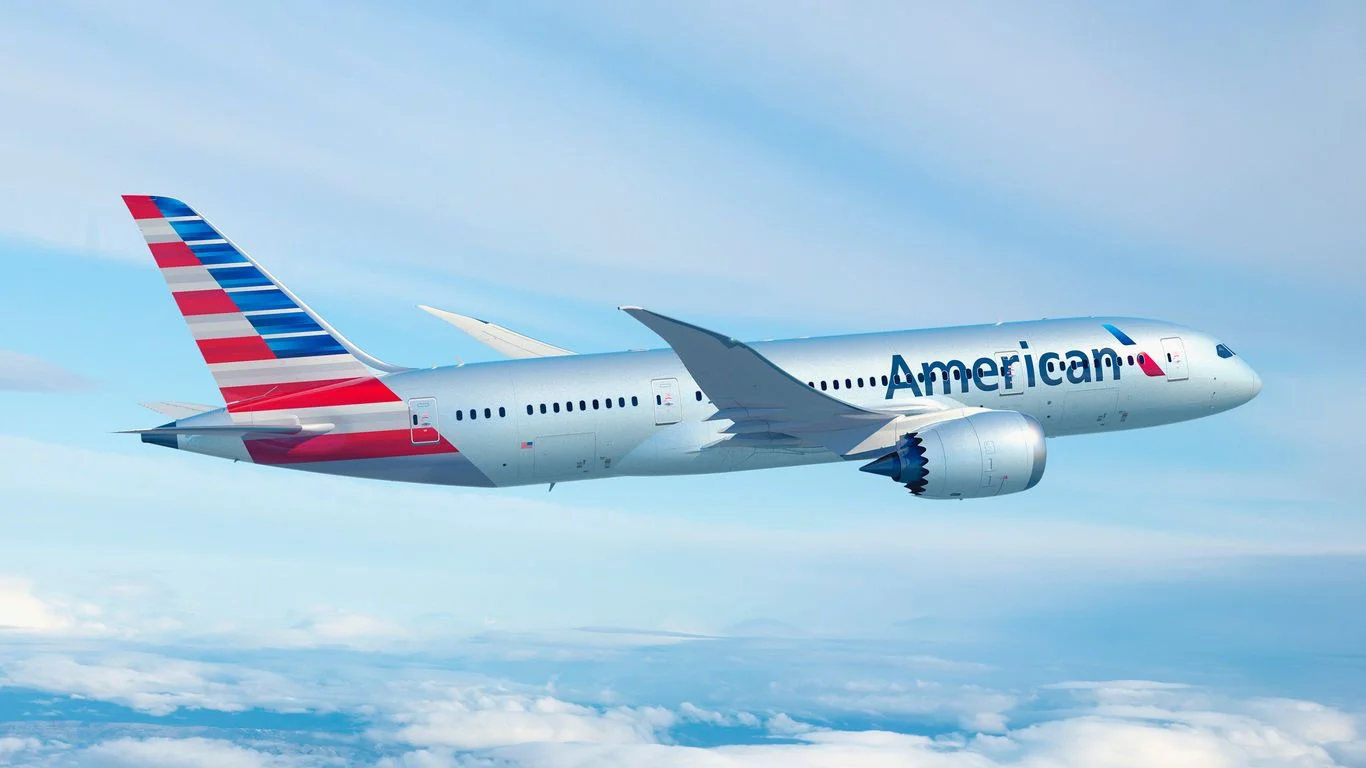
The upgrade was always the reward. You flew the ugly connections through Charlotte in February, you ate the middle seat, you kept your status alive one qualifying dollar at a time, and somewhere in the year the airline said thank you by moving you to the front of the plane for nothing. That quiet handshake is being rewritten. Starting August 25, American Airlines will stop handing out complimentary upgrades from coach to Business Class on nine of its most premium North American routes, and the best seat on the plane becomes a thing you are nudged to buy rather than earn.
What American is actually changing
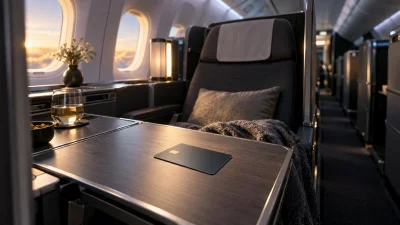
Here is the change in plain terms. On three-cabin aircraft, the ones carrying a true lie-flat Business Class, a Premium Economy, and a main cabin, American will no longer lift its elite status members straight from economy into a flat bed at no cost. Those flyers will instead be upgraded into Premium Economy when a seat is open, and only from Premium Economy can they then clear into Business. The affected list runs through the marquee transcontinental pairs, New York Kennedy to Los Angeles and New York Kennedy to San Francisco, plus select long-haul Hawaii flying operated on the Boeing 777, the Boeing 787, and the new Airbus A321XLR. American describes it as a move that "aligns Premium Economy with American Airlines' expanding three-cabin service," which is a tidy way of saying the middle cabin now sits where the free ride used to.
Read it from the loyalty desk and the logic is not subtle. For years the top perk of an airline loyalty program was the chance that your coach ticket turned into a flat bed at the gate. Move the free ceiling down to Premium Economy and you have quietly converted your most loyal customers into shoppers. There is one nuance worth knowing. The paid Systemwide Upgrade, the instrument top-tier flyers earn or buy, still clears directly into Business Class without the Premium Economy stop, which tells you everything about the design. The free path now runs through the middle cabin. The paid path skips it. American did not remove the escalator to the front of the plane. It put a turnstile halfway up.
Why now, an 88 percent problem
The timing tells you why. American spent the spring in financial weather no airline enjoys. In the second quarter of 2026 the carrier reported net income of just 71 million dollars, down about 88 percent from the 599 million it earned a year earlier, even as revenue hit a quarterly record. It lost 382 million dollars in the first quarter, and it cut full-year guidance to a range that straddles zero. Its rivals slipped too, Delta's profit down roughly a quarter and United's by about a sixth, but American is the one squeezing its own frequent flyers hardest, and the two facts are not unrelated. When the core business softens, the loyalty program is the lever nearest to management's hand.
The arms race at the front of the plane
There is a second force, and it is parked at the gate next door. The premium cabin arms race is running hotter than it has in a decade. On August 2, United flew the first Polaris 2.0 cabin from San Francisco to Singapore, with closing privacy doors, 4K screens, Starlink wifi, and eight so-called Polaris Studio suites pouring caviar and champagne. Qatar Airways put its A350 Qsuite back on Philadelphia to Doha on August 1. Air India restored Toronto to Delhi the same day on a 787-9. Everyone with a wide-body is pouring money into the front, which makes the front more valuable, which makes giving it away for free look, to a chief financial officer, like leaving cash on the jet bridge.
Demand is not the airline's problem. On July 23, Flightradar24 tracked 153,359 commercial flights in a single day, the busiest in aviation history, part of a summer that has planes full and premium seats scarce. When every flat bed is already spoken for, the free upgrade was a long shot to begin with. American simply made the long shot official policy on the routes where that seat is most coveted.
None of this is illegal, and none of it is even surprising if you have watched the industry trim the edges of premium travel one announcement at a time. We wrote about the coach cabin getting tighter in our look at the seat squeeze carriers would rather not discuss, and about the way lounge access got oversold in the great lounge reckoning. The upgrade change is the same story told from the top of the cabin instead of the middle of it. The airline is not taking the perk away so much as repricing it, and the price is your willingness to sit one row back.
American is not alone, but it moved first
It would be easy to read this as one airline behaving badly, and that would miss the pattern. Every major loyalty program in the country has spent the last several years quietly raising the bar for the same rewards. Delta rebuilt how its members earn status around spending rather than flying. United has leaned harder on dynamic award pricing that moves with demand. What makes American's move land differently is its bluntness. There is no rebalanced points chart to squint at, no slow erosion you only notice at renewal time. There is a date, August 25, and a clean before and after. The free flat bed on a marquee route existed on the 24th and does not on the 25th.
That clarity is almost a courtesy. It tells frequent travelers exactly where the line now sits, which is more than most devaluations bother to do. It also strips away any illusion that the upgrade was ever a gift. It was a marketing cost the airline could afford when the front cabins were less lucrative and the balance sheet was healthier. Both of those conditions changed this year, so the cost went. Loyalty, in the airline's accounting, is not sentiment. It is a line item, and line items get cut when the quarter goes sideways.
What it means for your next trip
So what should a traveler actually do. The honest answer is that the AAdvantage elites most exposed here are the ones who fly these nine routes on thin fares and counted on the gate lottery. If that is you, the math has changed. A Business Class upgrade is no longer a hopeful maybe on the JFK to LAX redeye, it is a purchase decision you should make before you book, weighing the cash fare in Premium Economy plus the odds of clearing higher against simply buying the cabin you want.
The smarter frequent flyer strategy in this environment is to stop treating any single carrier's top tier as a guaranteed ticket to the front. Diversify how you earn, watch which programs still clear their elites into flat beds, and be willing to route around the nine three-cabin routes where American has drawn its new line. Status still buys you plenty, priority boarding, checked bags, and the shot at Premium Economy. The flat bed is the piece that is migrating out of the reward column and into the retail one, and pretending otherwise is how loyal flyers end up surprised at the gate on August 25.