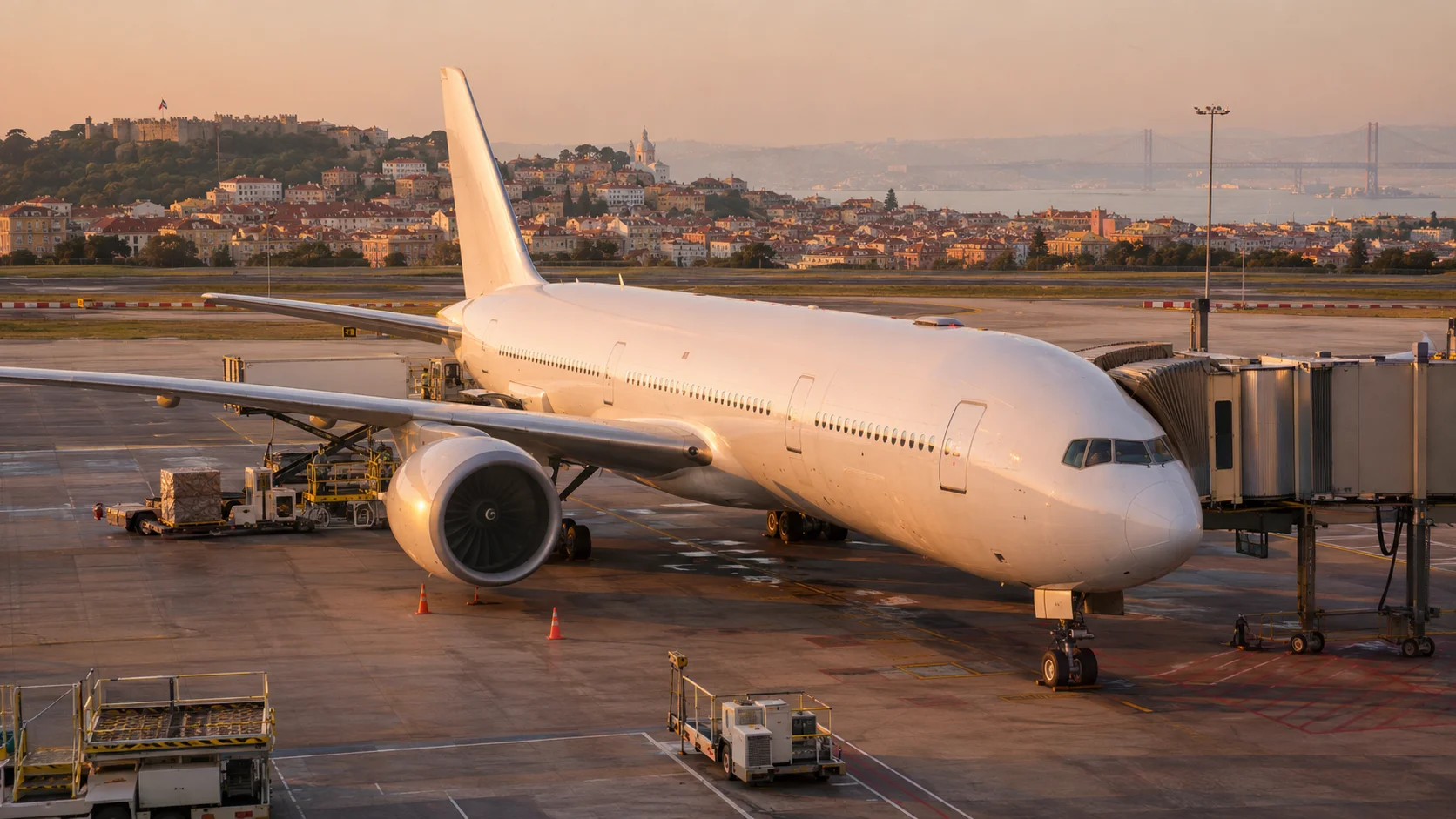
On Thursday (Oct 29), TAP Air Portugal flight 267 was scheduled out of Lisbon at 12:50 p.m. bound for Orlando, opening a three-times-weekly route whose published schedule pairs it with an evening return departing Florida at 9:10 p.m. It was a modest launch by the standards of a Florida gateway, and it arrived fifteen days after a decision in Lisbon that will shape what TAP becomes over the next decade.
On October 14, Portugal's Council of Ministers selected Lufthansa Group as the buyer of a minority stake in TAP Air Portugal, its national airline, ending a privatization contest against Air France-KLM. For American travelers, TAP is a familiar Star Alliance carrier with a dense network of U.S. gateways, and the question now is less about the color of the tail than about which transatlantic partnership TAP will eventually price its seats inside.
The short answer for anyone with a spring trip to Portugal on the calendar is that nothing on the ticket changes yet. The longer answer runs through deal terms, an antitrust history that dates to 2007, and a joint venture that has reshaped transatlantic fares for years.
The Deal on Paper
According to Lufthansa Group's announcement, its offer is EUR 1.025 billion for a 44.9 percent stake. That rises to up to EUR 1.2 billion for 49.9 percent if shares initially reserved for TAP employees, up to 5 percent of the company, go unclaimed, with a ticking fee included. The company noted that completion remains subject to approval by the relevant authorities.
The Portuguese government's own release fills in the governance. The state keeps 50.1 percent of the capital and control of the company, appoints five of the nine board directors including the chair. It names one executive director to Lufthansa's three, an arrangement that hands day-to-day operational management to the German group. The government put the total value of the operation at EUR 1,201 million and said the financial offer was up to 16 percent higher than Air France-KLM's.
The commitments are more important to passengers than the price. They include preserving the TAP brand and headquarters, strengthening the Lisbon hub, maintaining a fleet of up to 130 aircraft, and securing roughly EUR 300 million in Lufthansa Technik investment to create 700 jobs in Santa Maria da Feira. The government expects the next phase of the process to start soon, with closing projected for early 2028.
"This is the best choice for the future of the company and the one that best protects the national interest," Prime Minister Luís Montenegro said in announcing the decision, in remarks published by the government in Portuguese.
Infrastructure Minister Miguel Pinto Luz framed it as "a strategic decision that, as we wanted, was not confined to price," and Lufthansa chief executive Carsten Spohr, describing TAP as a long-standing Star Alliance partner, said the airline "is known for its outstanding employees and has a compelling business model."
Why Air France-KLM's Loss Matters in America
The losing bid carried a transatlantic dimension of its own. Skift reported that Air France-KLM's offer came with Delta's backing and a promise of codeshare and loyalty talks, which would have pulled TAP toward the SkyTeam partnership that Delta, Air France and KLM run across the Atlantic. Lisbon's choice keeps TAP's U.S. connections pointed toward United instead.
That is a continuation rather than a pivot. TAP has flown in Star Alliance since 2005, and the Department of Transportation's list of active antitrust immunity grants still places TAP within the immunized Star group under orders dating to 2007 and 2009. What TAP does not do is share revenue in the metal-neutral transatlantic joint venture that United, Lufthansa and Air Canada operate across the North Atlantic, where partners coordinate schedules and pricing and split the proceeds regardless of whose aircraft flies.
The distinction between immunity and a revenue-sharing venture was central to our reporting on this year's alliance realignment, where ITA Airways' move into Star Alliance followed a similar path. Membership and immunity come first, and full commercial integration comes later and requires further regulatory sign-off.
The Joint Venture Clock
Euronews reported that Lufthansa expects TAP to join the joint venture over time, and quoted Cedric Rimaud of the research firm Gimme Credit describing joint venture revenue as unlikely before 2030. Lufthansa's own announcement says nothing about the venture, which fits a deal that will not close until early 2028 at the soonest.
The same report cited OAG data showing TAP holds 24 percent of seat capacity between Europe and Brazil, second only to LATAM, and that Lufthansa's airlines together with TAP would reach 36 percent. For Lufthansa, Lisbon is a door to South America as much as it is a link to the United States.
What Changes for U.S. Travelers, and When
TAP keeps its brand, its Miles&Go program and its Star Alliance membership, and neither airline has announced any change to how miles are earned or redeemed. A United MileagePlus or Air Canada Aeroplan member crediting a TAP flight to Lisbon books and earns exactly as before.
The U.S. network is TAP's strongest card. Counting Orlando, AirlineGeeks counts nine U.S. gateways: New York JFK, Newark, Boston, Washington Dulles, Chicago O'Hare, Miami, Los Angeles, San Francisco and Orlando. The schedule published by AeroRoutes shows the new Florida service on the A330-900neo on Thursdays and Saturdays and an A330-200 on Mondays, and TAP's U.S. booking page advertises Lisbon to Orlando from USD 581 and round-trip business class from USD 2,486 for travel between November 5 and January 14.
Those fares are why the joint venture question matters to anyone who books on price. TAP's reputation among American travelers rests partly on fares that undercut the big three alliances, often combined with a free Lisbon or Porto stopover. Inside a revenue-sharing venture, TAP's seats would be priced as part of a shared transatlantic inventory with United and Lufthansa rather than against it, and whether that lifts or steadies fares will depend on the conditions regulators attach.
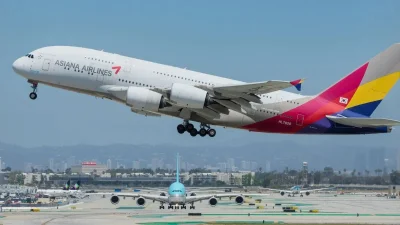
The precedent from our coverage of the Asiana integration into Korean Air is instructive. That merger took years from announcement to the first loyalty conversion deadlines, and travelers had ample notice of every change that touched their miles. TAP's path is slower still, since this is a minority stake under a government that keeps control.
The Lufthansa Fleet Behind the Deal
The TAP decision landed in the same month Lufthansa closed one chapter of its own transatlantic history. On October 19 its last Airbus A340-600, registered D-AIHW, landed at Frankfurt from Washington Dulles with 267 passengers and 15 crew on board, retiring a four-engine type. The airline says the A340-600s will be replaced by the Airbus A350-1000 and the Boeing 777-9.
The first A350-1000 enters service on December 3 between Munich and Tokyo Haneda, with 300 seats including First Class suites, 49 business class seats and 35 in premium economy, and Lufthansa has not yet named a U.S. route for it. Eighteen Boeing 787-9s are already flying for the group, with eleven more due by 2027.
For U.S. flyers, the practical calendar is short. TAP's Orlando flights now run three times a week. Any change to miles or the joint venture will come with public regulatory filings long before it takes effect, and the deal itself is not expected to close until early 2028.