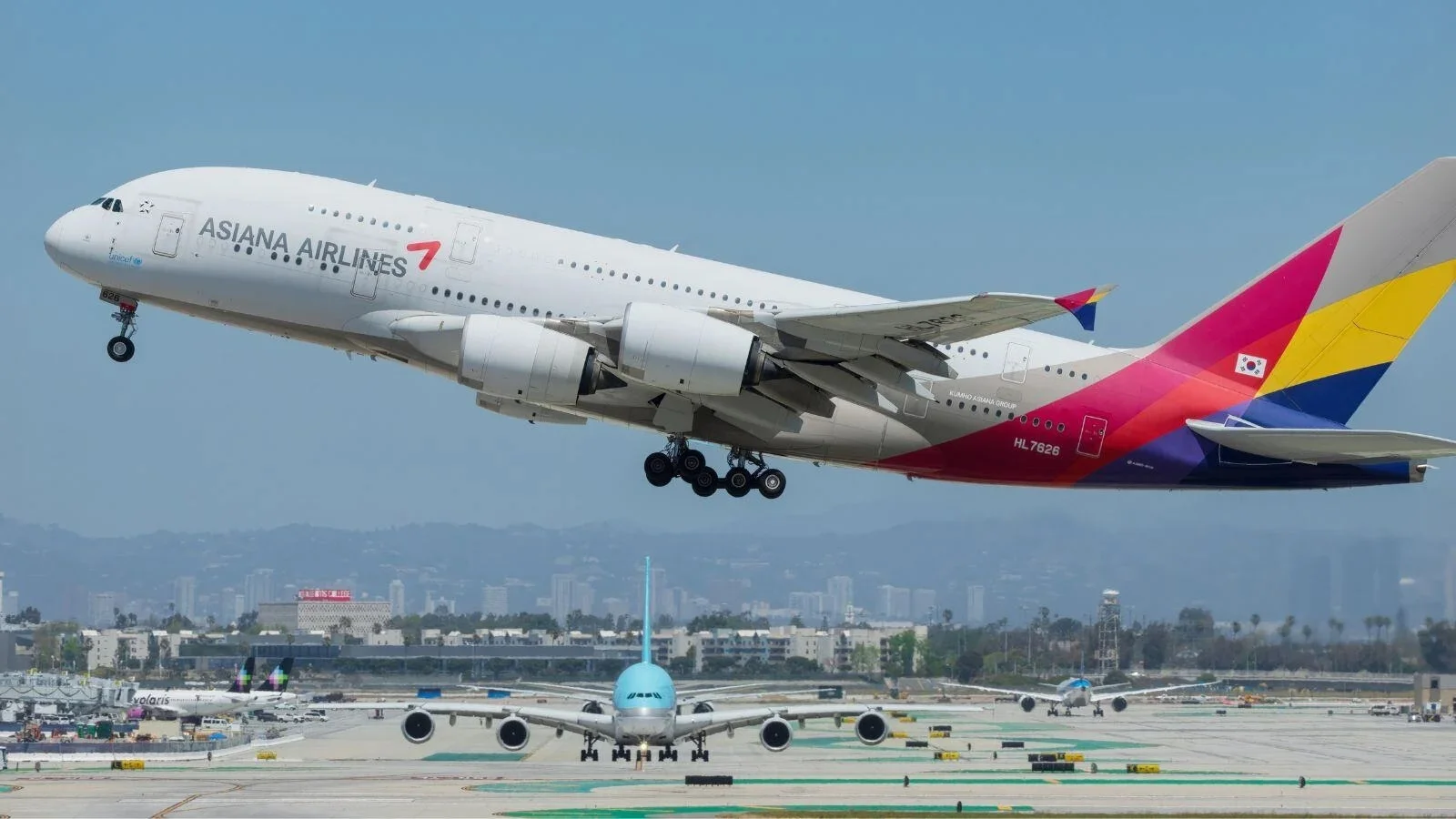
A Star Alliance flyer who books an Asiana Airlines seat for October 16 will still see Star Alliance branding at the gate and earn no Star Alliance miles for the trip. Under the terms the alliance published in June, member programs such as United MileagePlus credit Asiana-operated flights only when they depart on or before Thursday, October 15, 2026. Every Asiana departure after that date earns nothing in a Star Alliance account, even though the airline stays in the alliance for two more months.
The staggered exit is the part that catches travelers. Asiana leaves Star Alliance on December 16, 2026 at 23:59 Korea Standard Time, and on December 17 it begins flying as one airline with Korean Air, a SkyTeam member. Between now and then sit five separate deadlines for earning, redeeming, claiming and converting, each applying to a different group of flyers.
For a U.S. traveler, three numbers settle most questions. Partner earning on Asiana ends after October 15, awards and elite benefits on Asiana end with the December 16 exit. Asiana Club balances convert to Korean Air SKYPASS at 1:1 for miles earned by flying and at 0.82 for miles earned through credit cards and other partners, with a 10-year window to decide when.
The Deadlines, in Order
October 15: Partner Earning Ends
The alliance's statement, carried by member Lufthansa Group in June, says Star Alliance members "may continue to earn miles on Asiana Airlines-operated flights departing on or before October 15, 2026." That covers anyone crediting Asiana flights to MileagePlus, Aeroplan, Miles and More or any other Star program. A flight on October 16 still carries Star Alliance branding at the gate and still offers lounge access to Gold members, but it earns no miles in those programs.
Travelers with flights already flown should file now. Asiana's notice says missing-mileage claims "are accepted until October 31, 2026."
October 31 and December 16: Asiana Club Partner Awards
Asiana Club members redeeming on other Star carriers face two ticketing cutoffs, and the airline has sorted partners into them. Awards on Copa, Lufthansa, SWISS, Air New Zealand, Austrian and Brussels must be ticketed by October 31, 2026. Awards on Air Canada, EVA Air, Air China, South African, Singapore Airlines, Thai, TAP, United and Shenzhen Airlines have until December 16. Either way, Asiana's Star Alliance exit notice requires that awards "must be booked and ticketed at least 3 days before your first departure."
Asiana had already suspended partner award bookings for departures on or after December 1, 2026 in a notice posted last December, so the practical window for a Star partner award on Asiana Club miles has been narrowing for most of a year.
December 16: Awards and Status on Asiana End
Star Alliance members can redeem their own program's miles for Asiana flights only "for travel completed on or before December 16, 2026," and Gold and Silver benefits on Asiana, including lounges, priority check-in and extra baggage, end on the same date. Awards already ticketed for later travel, according to Asiana, "will no longer be valid for travel following our exit from Star Alliance," and the airline says those tickets can be refunded with miles reinstated. Lufthansa Group began moving its existing Asiana tickets onto Korean Air from September.
Asiana's notice also says existing Star Alliance Gold status will convert to SkyTeam Elite Plus. The airline is not joining SkyTeam as a separate member. It is being absorbed into one.
The Conversion
Uncertainty over Asiana Club balances ended Tuesday, September 15, when South Korea’s Fair Trade Commission approved the loyalty program merger into Korean Air's SKYPASS. Per the KFTC, miles earned in the air convert at 1:1, whereas partner-acquired miles transfer at a 1:0.82 ratio.
Asiana's integration mileage guide spells out what that means in practice: "Flight-accrued miles: 1:1 (e.g.,100 Asiana Club flight miles = 100 SKYPASS miles)" and "Partner-accrued miles 1:0.82 (e.g., 100 Asiana Club partner miles = 82 SKYPASS miles)." A balance of 60,000 miles built mostly on a Korean credit card would land near 49,200 SKYPASS miles, while the same balance earned in the air would carry over whole.
The 18 percent haircut on partner miles is not immediate. Asiana Club balances will be managed separately for 10 years from the merger date, under existing redemption rules and expiration policies, and members may convert "at any time during the 10-year period." Whatever remains at the end converts automatically. Elite tiers are matched automatically, and new miles earned after integration post as SKYPASS.
Why Waiting Might Be Worth It
The KFTC attached conditions to its approval that bear directly on award availability. For 10 years, Korean Air must raise award seat supply on popular long-haul routes to the Americas, Europe and Oceania to at least the highest level of the previous decade. The Korea Times, reporting on the approval, described annual targets for mileage usage of 106 percent in 2027 and 2028, 112 percent in 2029 and 121 percent from 2030 through 2036, overseen by a monitoring committee for the full decade.
For a holder of partner-earned Asiana miles, that sets up a real choice. Spending them inside Asiana Club, at the 1:1 value they hold today on Asiana's own flights, avoids the 0.82 conversion entirely, and a 10-year window leaves time to watch whether the promised long-haul award space toward North America materializes before committing. Miles earned by flying lose nothing in conversion, so the decision for those is about where awards price better rather than about value lost. Our analysis of airline loyalty economics in 2026 explains why points earned on cards tend to be the first to absorb a program's adjustments.
How Regulators Got Here
Korean Air's purchase of Asiana needed sign-off from competition authorities across three continents. Korea's KFTC approved it conditionally in February 2022 after flagging 26 overlapping international routes, five of them to the United States, and requiring slot and traffic-right transfers along with limits on fare increases, seat cuts and mileage program changes.
The European Commission cleared it in February 2024 with two remedies. On the cargo side, Korean Air could complete the acquisition only after Brussels approved a buyer for Asiana's freighter business. On the passenger side, T'way Air received slots, traffic rights and access to aircraft for routes from Seoul to Barcelona, Paris, Frankfurt and Rome. "This merger raised significant competition concerns in both cargo and passenger air transport services," said Margrethe Vestager, then the Commission's executive vice-president for competition policy. The Commission's decision put Korean Air's stake at 63.88 percent of Asiana's issued shares, and Korean Air completed the acquisition in December 2024.
Asiana shareholders approved the final merger in August, setting December 17 as the launch of the integrated carrier. "We will successfully complete the merger process with Korean Air and begin anew as an integrated carrier," Asiana chief executive Song Bo-young said after the vote, according to Korea JoongAng Daily.
What It Means on the Transpacific
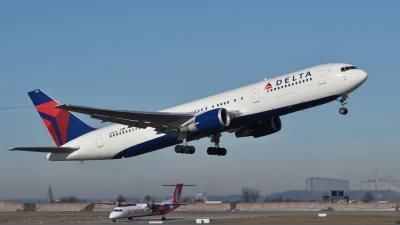
For U.S. travelers, the exit removes a Star Alliance option between North America and Seoul and folds it into SkyTeam, where Korean Air already works closely with Delta. The two hold a joint venture on transpacific routes approved by the Department of Transportation, while United and Asiana hold their own grant of antitrust immunity under a 2003 DOT order. No regulator or airline has published how Asiana's U.S. flying will fit within the Delta and Korean Air venture, and travelers should not assume Delta earning rules will apply to former Asiana routes until the airlines say so. Our earlier look at this year's alliance realignment explains why membership and immunity are separate questions.
For anyone holding a ticket, a balance or a status card tied to Asiana, the calendar is short. File missing claims by October 31, ticket the early-cutoff partner awards by the same date, and finish Star award travel on Asiana by December 16, then treat the SKYPASS conversion as a decade-long decision rather than a December one. Ahead of all of them, the October 15 earning cutoff arrives on Thursday.