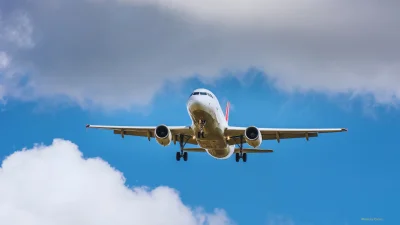
In the evolution of commercial aviation, few aircraft have introduced as many paradigm shifts as the Boeing 787-8 Dreamliner. Often referred to as the "Plastic Wonder" due to its pioneering use of carbon-fiber reinforced polymers, the 787-8 was not merely a replacement for aging widebodies; it was a reimagining of the relationship between the machine and the human body. For the modern traveler, the Dreamliner has transitioned from a high-tech novelty to an essential standard for wellness in the skies.
The OG of the Dreamliner Fam
As the foundational member of the 787 family, the -8 variant occupies a unique strategic niche. While its larger siblings, the 787-9 and 787-10, cater to high-density hubs, the 787-8 is the precision tool of the fleet. In the United States, carriers like United Airlines and American Airlines leverage this aircraft to bridge distant cities that lack the demand for a massive "jumbo jet" but require the range of an intercontinental powerhouse.
This "long and skinny" route capability has been a gift to passengers, allowing for more direct flights between secondary cities and reducing the need for stressful, time-consuming connections in congested hubs. It is a masterpiece of efficiency, offering a 20% to 25% reduction in fuel consumption and CO2 emissions compared to previous-generation aircraft (Source: Boeing 787 Program Overview).
The "Vibe" Shift: Humidity and Headaches
The most profound impact of the 787-8 is not what you see, but what you feel. Traditional aircraft are constructed of aluminum, which is highly susceptible to corrosion from moisture. To protect the airframe, airlines were forced to keep cabin air extremely dry. The 787’s composite fuselage, however, is immune to such rust, allowing Boeing to engineer an environment that actively nurtures the passenger’s physical well-being.
Enhanced Humidity: By maintaining a higher level of moisture in the cabin air, the 787-8 significantly reduces the dehydration of the skin, eyes, and mucous membranes, which is a primary contributor to the "worn-out" feeling of long-haul travel.
Optimized Cabin Altitude: While conventional aircraft are pressurized to an equivalent altitude of 8,000 feet, the 787-8 is pressurized to 6,000 feet. This allows the body to absorb oxygen more efficiently, reducing the prevalence of altitude-related headaches and fatigue.
Gaseous Filtration: The 787-8 utilizes an advanced HEPA filtration system and an additional gaseous filtration system to remove odors and contaminants, ensuring the air you breathe is as clean as it is comfortable.
Exclusive Amenities: More Than Just a Seat
The Dreamliner experience is defined by a sense of openness. The cabin architecture features sweeping curves and a vaulted ceiling, but the true centerpiece is the window design. At roughly 65% larger than standard windows, they provide a connection to the horizon for every passenger in the row, not just those by the glass.
The implementation of Electronically Dimmable Windows (EDW) replaces traditional pull-down shades. This technology allows passengers to adjust the intensity of natural light while maintaining visibility of the world below. For the traveler, this means a more gradual transition through time zones, aided by an LED "Sky Interior" lighting system that subtly shifts colors to align with the body's natural circadian rhythms.
"The 787-8 serves as a vital bridge in global connectivity. It allows for the economic viability of routes that promote international exchange, all while providing a cabin environment that respects the biological needs of the passenger." — Aviation Industry Analysis.
Tech Specs That Matter
| Feature | Benefit |
| Composite Airframe | Facilitates higher humidity and lower cabin altitude for reduced jet lag. |
| Advanced Wing Design | Raked wingtips and increased flexibility provide a smoother ride through turbulence. |
| Quiet Technology | Engine nacelles with chevrons significantly reduce the noise footprint both inside and outside. |
| Vertical Gust Suppression | Advanced sensors detect turbulence and adjust control surfaces to smooth out the flight. |
The Tea: It’s Not All Clear Skies
Despite its accolades, the 787-8 has navigated a complex journey. Early in its service life, the program faced significant scrutiny following a global grounding in 2013 due to lithium-ion battery concerns. While Boeing successfully re-engineered the battery housing to meet the highest safety standards, the event remains a notable chapter in the aircraft’s history.
Furthermore, manufacturing quality at production facilities has occasionally drawn regulatory attention. The FAA has maintained rigorous oversight to ensure that every airframe meets exacting tolerances (Source: FAA Regulatory Updates). For the passenger, these issues are rarely felt in the cabin, but they underscore the immense complexity of maintaining such a technologically advanced fleet. From an interior perspective, some critics argue that the 3-3-3 seating configuration adopted by many airlines in economy can feel restrictive compared to the spaciousness the aircraft’s marketing suggests.
The Verdict: Should You Book It?
The Boeing 787-8 remains a premier choice for any international itinerary. It is an aircraft designed with the understanding that travel is a holistic experience. When you choose a Dreamliner, you are choosing an environment that prioritizes your recovery from the rigors of flight.
For the frequent flyer, the 787-8 is more than a vehicle; it is a sanctuary of modern engineering. It has set a benchmark for environmental responsibility and passenger comfort that continues to influence the design of every new aircraft entering the market today.
Summary of the Dreamliner Life
Estimated Service Life: 25+ years. With robust maintenance programs and cabin retrofits, the 787-8 is expected to remain a staple of the skies for decades.
Why It’s Loved: Superior air quality, reduced noise levels, and a design that mitigates the physical toll of travel.
Why It’s Hated: Inconsistent seat pitch across different airlines and the loss of individual control over window shades during certain flight phases.
Sources & Further Reading:
Efficiency and Environmental Impact: Boeing 787 Sustainability Data
Health and Pressurization Research: Aero Magazine: Cabin Comfort and Health
Operational Integrity: Federal Aviation Administration (FAA) Safety Standards
Final Thought: The 787-8 Dreamliner has successfully bridged the gap between mechanical efficiency and human comfort. It remains one of the most thoughtfully designed aircraft in history, reminding us that the journey should be as restorative as the destination.